
Paradise Journal
Responsible Diving in Bali: Reefs & Wildlife
The best dive leaves memories, but as few traces as possible.
Underwater, we are guests. Good guests take images and leave space.
Reef care begins with your body
Buoyancy is conservation in real time.
Coral grows slowly, many animals have delicate mucus layers and apparently empty sand can hold eggs, tubes or tiny organisms. Neutral buoyancy, controlled fins and distance protect more than any later clean-up post.
Hands off—even with gloves
Gloves do not prevent reef damage and may create false confidence. Contact is considered only to avoid immediate danger.
Know where your fins are
Horizontal trim and slow kicks avoid sediment clouds and coral strikes. While photographing, the back of the body matters as much as the subject.
Choose weight correctly
Overweighting leads to large BCD volume and unstable position. A proper weight check improves control, gas use and reef protection.
Distance is not a loss
Marine animals behave more naturally when not pressured. Calm waiting often creates longer, better encounters.
Encounter rules
What should you do when an animal appears?
Choose a group and take one core rule underwater.
Stay low and outside.
Do not cross the station, keep routes open and never swim after a manta. The animal chooses distance.
- No touching
- No feeding
- No blocking
- Control camera close to body
Leave its path to the surface open.
Observe from the side, keep distance and do not surround it. A resting turtle does not need waking for a photo.
- Do not touch
- Do not chase
- Do not hover above
- Keep surface route open
Depth and group remain more important.
Do not descend because the animal is deeper. Keep bubbles away from cleaning stations and do not pursue into blue water.
- Watch computer
- Keep buddy
- No depth ambition
- Never force encounter
Guide points; you position without contact.
Move, poke or drive nothing from a hole. Patience and good light replace manipulation.
- Do not stir sand
- Limit flash sequences
- Keep escape route open
- Take turns with photographers
Observe behaviour
Nature is stronger when we do not direct it.
Three real archive moments recorded calmly without steering animals.
Turtle on the reef
Keep distance and leave its path open.
Seahorse in detail
Slow down without touching the substrate.
A school moving as one
Observe from the edge rather than swimming through.
Small decisions ashore
Reef care begins before the boat.

Refill, not single use
A personal bottle and reliable refill stations reduce plastic. Everything taken aboard returns ashore.
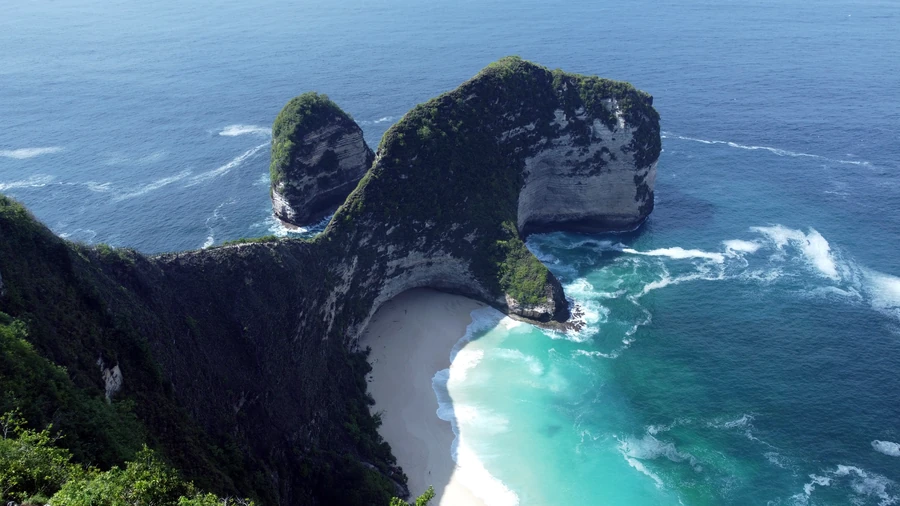
Physical UV protection first
Rash guards, shade and early sunscreen application reduce product entering the water. “Reef safe” is not one standard legal term.
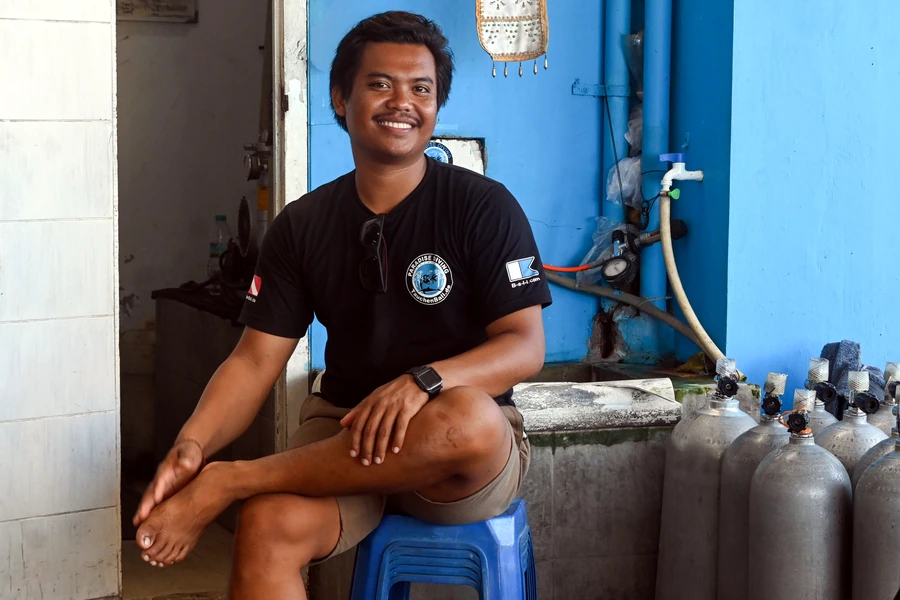
Local helpers and guides
Local knowledge improves safety and creates income where the site exists. Respectful partnership is part of sustainability.
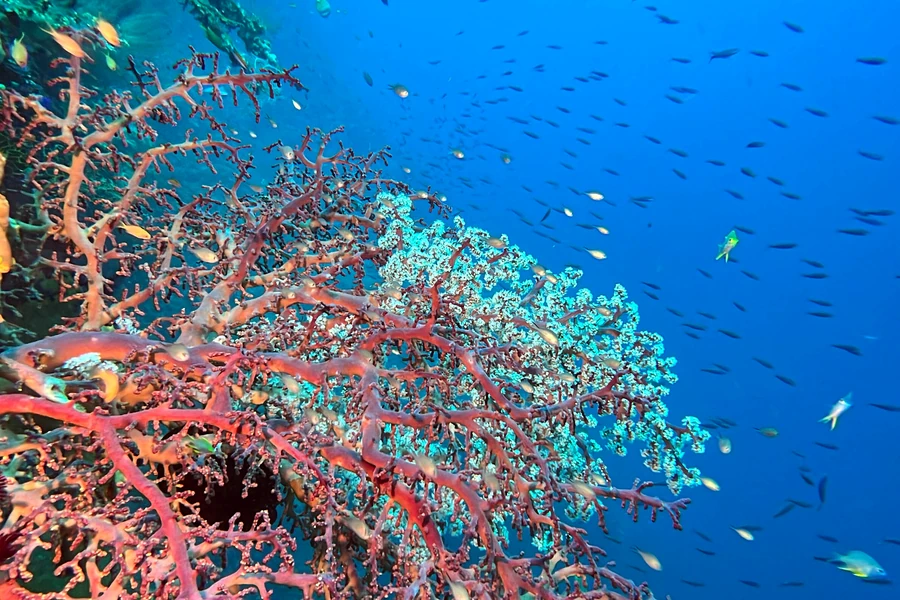
Report rather than hide
Damaged moorings, nets, waste or injured animals are reported to the team, not handled alone in a risky situation.
Myth or good practice
What genuinely helps.
| Claim | Context | Better practice |
|---|---|---|
| “I only touch a rock” | Covered rocks are habitat too | maintain contact-free buoyancy |
| “Move it briefly for the photo” | Stress and injury are possible | let animal choose position |
| “Biodegradable means reef safe” | Terms are not standardised | use UV clothing and less product |
| “I remove every net myself” | Entanglement and animal risk | mark and report professionally |
| “One souvenir makes no difference” | Removal accumulates and may be illegal | take nothing from the sea |
- Claim
- “I only touch a rock”
- Context
- Covered rocks are habitat too
- Better practice
- maintain contact-free buoyancy
- Claim
- “Move it briefly for the photo”
- Context
- Stress and injury are possible
- Better practice
- let animal choose position
- Claim
- “Biodegradable means reef safe”
- Context
- Terms are not standardised
- Better practice
- use UV clothing and less product
- Claim
- “I remove every net myself”
- Context
- Entanglement and animal risk
- Better practice
- mark and report professionally
- Claim
- “One souvenir makes no difference”
- Context
- Removal accumulates and may be illegal
- Better practice
- take nothing from the sea
Honest sustainability
A flight does not become emission-free through a bamboo straw.
Responsibility starts with honesty. Fewer hotel changes, longer stays, local providers, shared transfers, waste avoidance and respectful diving reduce impacts without pretending there are none.
We avoid grand claims and focus on decisions we can actually influence.
- Stay longer rather than fly often
- Group dive days sensibly
- Prefer local value creation
- Never sell wildlife as guaranteed
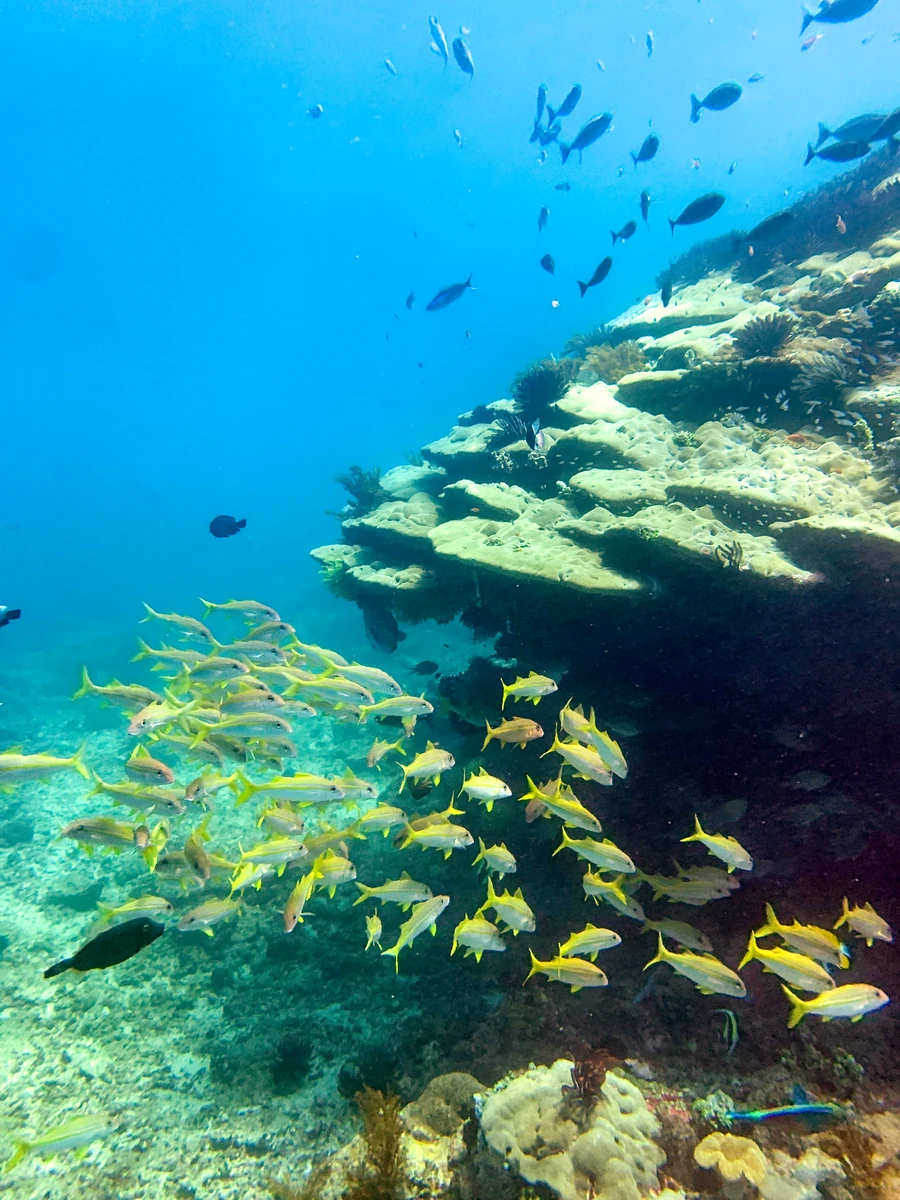

Images that stay with you
Do not just look. Feel your way back in.
Light, movement and encounters tell the underwater world differently from facts. Our authentic imagery brings you back to the moment — or makes you long for the first one.
- From the journal
- In depth
- Base
- Padang Bai
- Languages
- DE · EN
Reef-care FAQ
Responsibility in practice
May I collect litter underwater?
Small loose pieces can be collected after the briefing when safe. Nets, hooks, unknown containers or heavily encrusted objects are marked and professionally reported.
Are gloves prohibited?
Rules differ. Regardless, gloves never permit touching. On ordinary reef dives they often encourage unnecessary contact.
How close may I approach an animal?
Distance depends on species, site and briefing. Never block, chase, surround or change behaviour; the animal must always be free to leave.
Your journey
Turn knowledge into your personal dive plan.
Send dates, experience, hotel area and wishes. We reply personally from Padang Bai.
- Personal no-obligation planning
- English or German
- Combine diving, transfers and accommodation